Clean Environment For All
Introduction
A clean environment is the foundation of a healthy and sustainable life. It ensures fresh air, safe water, fertile soil, and balanced ecosystems. When the environment is clean, communities thrive, health improves, and future generations inherit a safer planet.
Why a Clean Environment Matters
-
Health Benefits – Clean air reduces respiratory diseases, and clean water prevents life-threatening illnesses.
-
Biodiversity Protection – Animals, plants, and humans all depend on pollution-free surroundings to survive.
-
Sustainable Growth – A clean environment supports agriculture, industries, and overall economic development.
-
Climate Stability – Less pollution means lower carbon emissions and better chances of controlling climate change.
Current Challenges
-
Rapid urbanization and industrialization creating waste and air pollution.
-
Deforestation reducing the Earth’s natural ability to clean the air.
-
Overuse of plastic and poor waste management clogging rivers and oceans.
-
Lack of awareness and responsibility among individuals and organizations.
How We Can Achieve a Clean Environment for All
-
Reduce, Reuse, Recycle – Limit waste generation and make recycling a habit.
-
Plant More Trees – Forests act as natural air purifiers and protect biodiversity.
-
Adopt Sustainable Practices – Use eco-friendly products, renewable energy, and green transport.
-
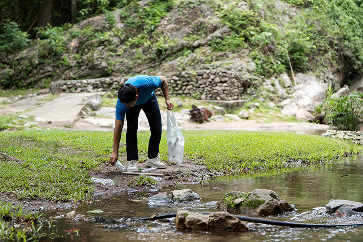
Community Participation – Local clean-up drives, awareness campaigns, and strict enforcement of rules.
-
Government & Policy Support – Strong laws against pollution and incentives for eco-friendly practices.
Conclusion
A clean environment is not a luxury; it is a necessity. Every person has the right to live in a safe and pollution-free environment, but with that right comes the responsibility to protect it. Small daily actions like reducing plastic use, saving water, or planting trees can make a big difference. Together, we can build a world where a clean environment is truly for all.